Why Graffiti on Shutters Harms Your Property, Business & Community
Graffiti on shutters often carries a significant negative impact beyond mere aesthetics. Far from artistic flair, this defacement affects property values, community perception, and imposes financial burdens on owners. What might be considered art by some becomes visual pollution, degrading a building's appearance and contributing to a decline in property value. Clean, well-maintained shutters reflect care; marred shutters instantly shatter this positive image, signaling neglect and making an area less desirable. This leads to negative first impressions, loss of local charm, and a sense of disorder, all contributing to reduced property value and saleability. Understanding these drawbacks is crucial for communities striving to maintain vibrant, safe, and welcoming environments.

Ready to transform your property?
Get a free, no-obligation quote tailored to your needs.
Graffiti, often seen as a form of urban art or expression, takes on a distinctly different character when it defaces private property, particularly the protective shutters of businesses and homes.
Beyond the Aesthetic: Visual Pollution and Property Value Erosion
The most immediate and undeniable impact of graffiti on shutters is the visual blight it creates. What might be considered art by some becomes visual pollution when it’s unwanted and detracts from the intended appearance of a building. This degradation of visual appeal directly contributes to a decline in property value and imposes a tangible financial strain on owners.
Diminished Aesthetics and Deterioration of Image
Clean, well-maintained shutters contribute to a street's appeal, reflecting care and professionalism. When they are marred by graffiti, this positive image is instantly shattered. The defacement can make an otherwise attractive storefront appear neglected or uncared for, signaling to potential customers or residents that the area might be less desirable. This aesthetic decline is often the first step in a cascade of negative perceptions.
Negative first impression: For new customers or visitors, graffiti can create an unwelcoming atmosphere.
Loss of local charm: Unique architectural features can be obscured, diminishing the character of a neighborhood.
Sense of disorder: Uncontrolled graffiti often contributes to a general feeling that an area is in decline.
Reduced Property Value and Saleability
Property values are intricately linked to curb appeal and the perceived desirability of a location. Graffiti on shutters, especially when widespread, can significantly depress property values. Prospective buyers or tenants are less likely to invest in areas that appear rundown or neglected, perceiving a higher risk or lower quality of life.
The cost of removal is also factored in, creating a disincentive for potential investors. An otherwise attractive property with defaced shutters may sit on the market longer or sell for less than its true value. This financial hit is a direct consequence of the unauthorized markings.
The Financial Burden of Remediation
Removing graffiti is rarely a simple task; it requires time, effort, and often specialized cleaning agents or repainting, all of which come at a cost. Property owners are left with the unbudgeted expense of cleanup, which can be substantial, especially if the graffiti recurs frequently. This diversion of funds could otherwise be used for property improvements or business investments.
Removal Method | Typical Cost Range (per square meter) | Effectiveness | Environmental Impact |
|---|---|---|---|
Pressure Washing | £10 - £30 | Moderate (depends on paint type) | Low (water usage) |
Chemical Solvents | £20 - £50 | High (effective on most paints) | Moderate to High (chemical disposal) |
Repainting / Resurfacing | £30 - £100+ | Very High (covers completely) | Moderate (paint waste) |
As the table illustrates, there are various methods, each with associated costs and environmental considerations. The necessity of choosing one and bearing its expense represents a direct negative impact on the property owner's finances.
Impact on Businesses and Community Perception
Beyond the immediate financial and aesthetic toll, graffiti on shutters profoundly affects how businesses are perceived and how a community feels about its own neighborhood. It can deter customers, foster a sense of insecurity, and erode local pride.
Negative Business Impression and Customer Deterrence
For commercial establishments, the appearance of their premises is paramount to attracting and retaining customers. Shutters covered in graffiti can make a business appear unprofessional, unsafe, or even closed. This can directly translate into a loss of revenue, as potential customers choose to shop or dine elsewhere, opting for establishments that present a cleaner, more welcoming façade.
“Every morning, seeing our shutters covered in spray paint just felt like a punch to the gut. We noticed a real dip in foot traffic; people just walked past, likely thinking we didn't care or that the area wasn't safe. It truly impacted our small business.”
— Local Shop Owner
This quote highlights the tangible impact on customer behavior and the morale of business owners, underscoring how graffiti can undermine commercial viability.
Perception of Neglect and Increased Crime
The "broken windows" theory posits that visible signs of crime, anti-social behavior, and civil disorder, like graffiti, create an urban environment that encourages further crime and disorder. Graffiti on shutters can signal to residents and visitors alike that an area is neglected, leading to a perception of increased crime or a lack of effective policing. This perception, whether accurate or not, can lead to genuine concerns about safety and a reluctance to frequent the area after dark.
Reduced sense of security: Residents may feel less safe when public spaces are defaced.
Cycle of decline: One act of vandalism can encourage others, creating a downward spiral.
Investor hesitancy: Businesses and developers may avoid investing in areas perceived as high-crime.
Erosion of Community Morale and Pride
A community's shared spaces and businesses contribute significantly to its collective identity and pride. When these elements are regularly vandalized, it can lead to a pervasive sense of frustration, helplessness, and demoralization among residents. The continuous effort required to clean up graffiti can be exhausting, diminishing the community's collective spirit and willingness to engage in local initiatives. Community members may feel less invested in an area that constantly faces such defacement.
The Ripple Effect: From Expense to Environmental Concern
The negative impacts of graffiti on shutters extend beyond immediate visual and financial concerns, creating a ripple effect that includes environmental issues and ongoing maintenance burdens for property owners and local authorities alike.
Environmental Concerns of Removal Processes
The methods used to remove graffiti, while necessary, often carry their own environmental footprint. Many industrial-strength cleaning solvents contain harsh chemicals that, if not handled and disposed of properly, can contaminate soil and water systems. Furthermore, the waste generated from removed paint or chemical residues requires careful management, adding to local waste streams and potentially impacting ecological health. This often overlooked aspect underscores the broader environmental cost of vandalism.
Ongoing Maintenance Burden and Vandalism Cycle
The fight against graffiti is often a continuous battle. Once a shutter is targeted, it might become a repeated canvas for vandals, leading to an unending cycle of cleanup and re-graffiti. This creates an ongoing maintenance burden for property owners, who must constantly allocate resources—both time and money—to address new tags. The psychological toll of this relentless cycle can be significant, fostering a sense of resignation or frustration among those affected.
Legal and Ethical Considerations
Graffiti on private property is an act of vandalism, making it illegal. This legal trespass underscores the ethical violation of disrespecting ownership and community standards. Beyond the immediate act, the creation of graffiti can sometimes be linked to broader organized crime or gang activity, introducing more severe public safety and legal enforcement challenges. The ethical breach of imposing unwanted "art" on private property without consent is a fundamental negative impact on the rights of property owners.
In conclusion, the presence of graffiti on shutters is far more than a simple aesthetic inconvenience. It systematically erodes property values, deters economic activity, diminishes community morale, and poses both financial and environmental challenges. Recognizing the depth of these negative impacts is the first step towards fostering proactive solutions, supporting property owners, and reinforcing the importance of respectful urban environments for everyone. By understanding the full scope of this issue, communities can better strategize to mitigate its pervasive effects and restore a sense of order and pride.
Ready to get started?
Contact our team today for a free, no-obligation consultation.
Related Articles
Prevent Slips & Falls: Pressure Wash Dirty Pavements & Walkways
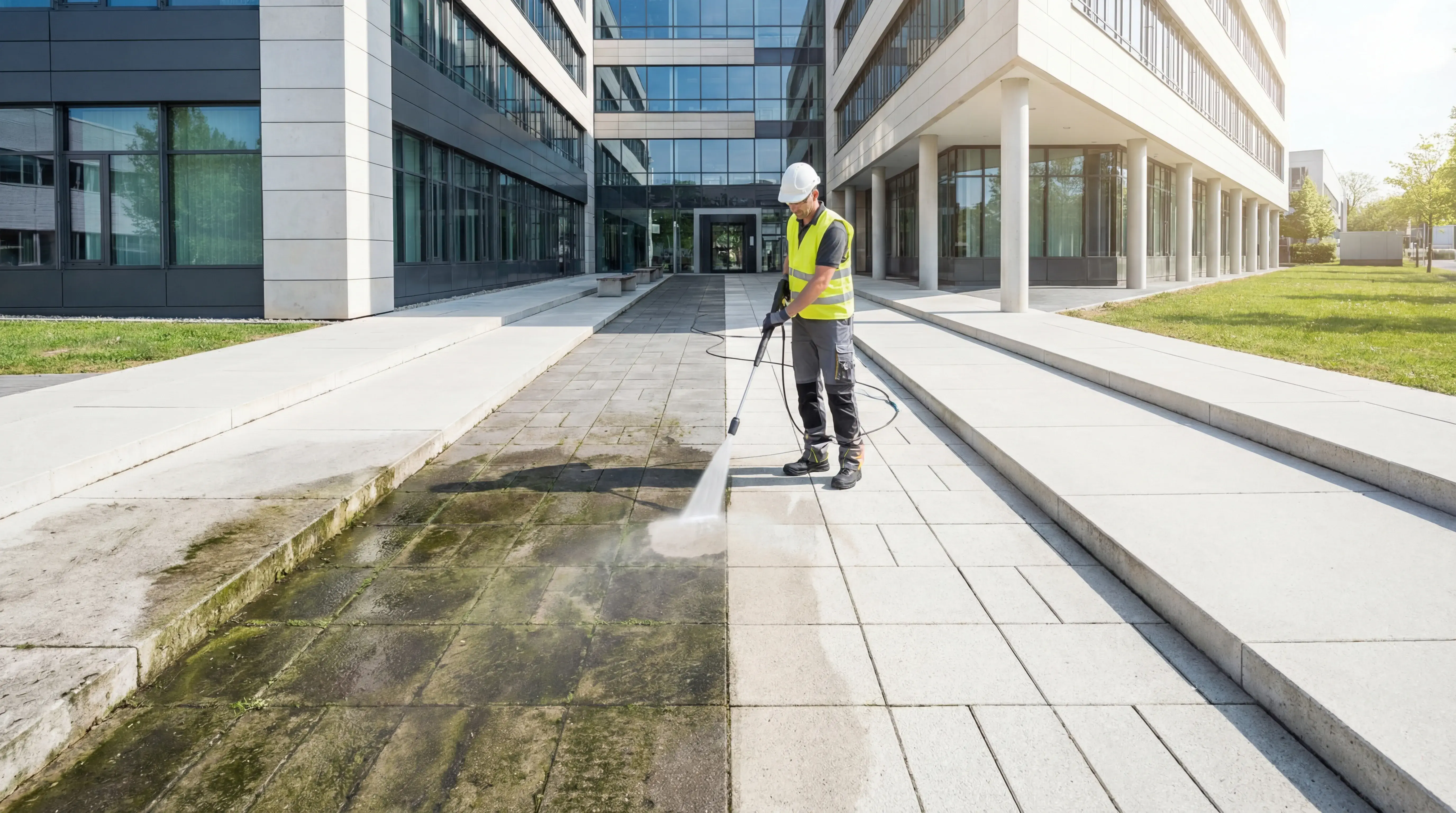
Dirty pavements, walkways, and drives pose hidden dangers, accumulating treacherous build-ups of grime, moss, and algae that transform safe paths into hazardous slip-and-slide zones. Ignoring these neglected surfaces not only detracts from curb appeal but significantly increases the risk of painful and costly slips and falls for everyone. These unseen accumulations drastically reduce traction, especially when wet, creating a perilous environment. From driveways collecting oil to patios covered in organic growth and commercial walkways facing constant traffic, these areas are magnets for danger. Fortunately, there's a simple, effective solution to reclaim safety and restore beauty: professional pressure washing from DMC FM. Eliminate the hazards and protect your property and visitors.
Solar Soiling: The Silent Threat to Panel Efficiency & Energy Output
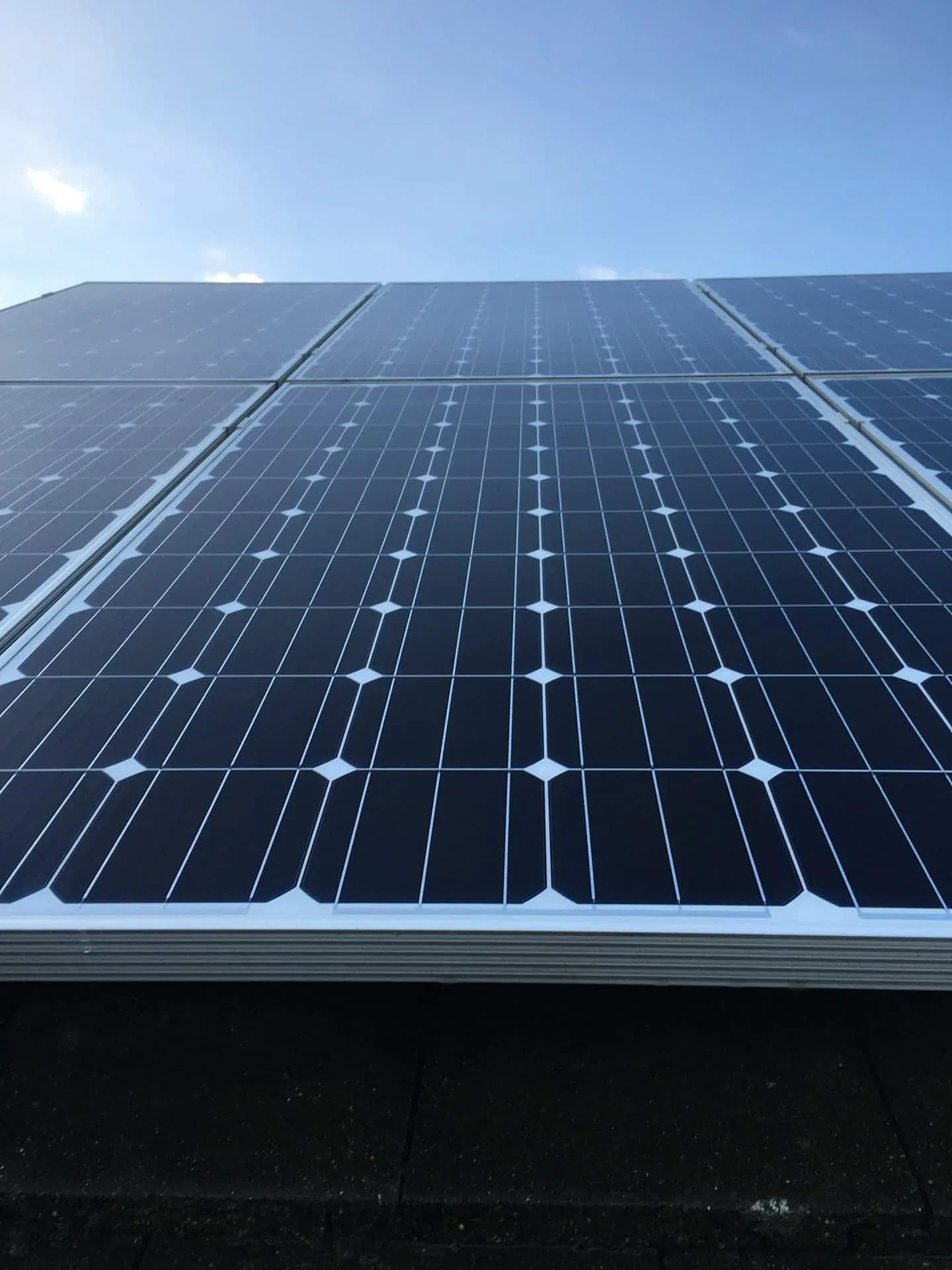
Soiling, the accumulation of dirt and dust on solar panels, severely reduces efficiency and energy output. This silent environmental threat impacts profitability, requiring mitigation for sustainable solar power investments and optimal performance.
Uncovering Carpet Germs: The Invisible Threat to Your Health
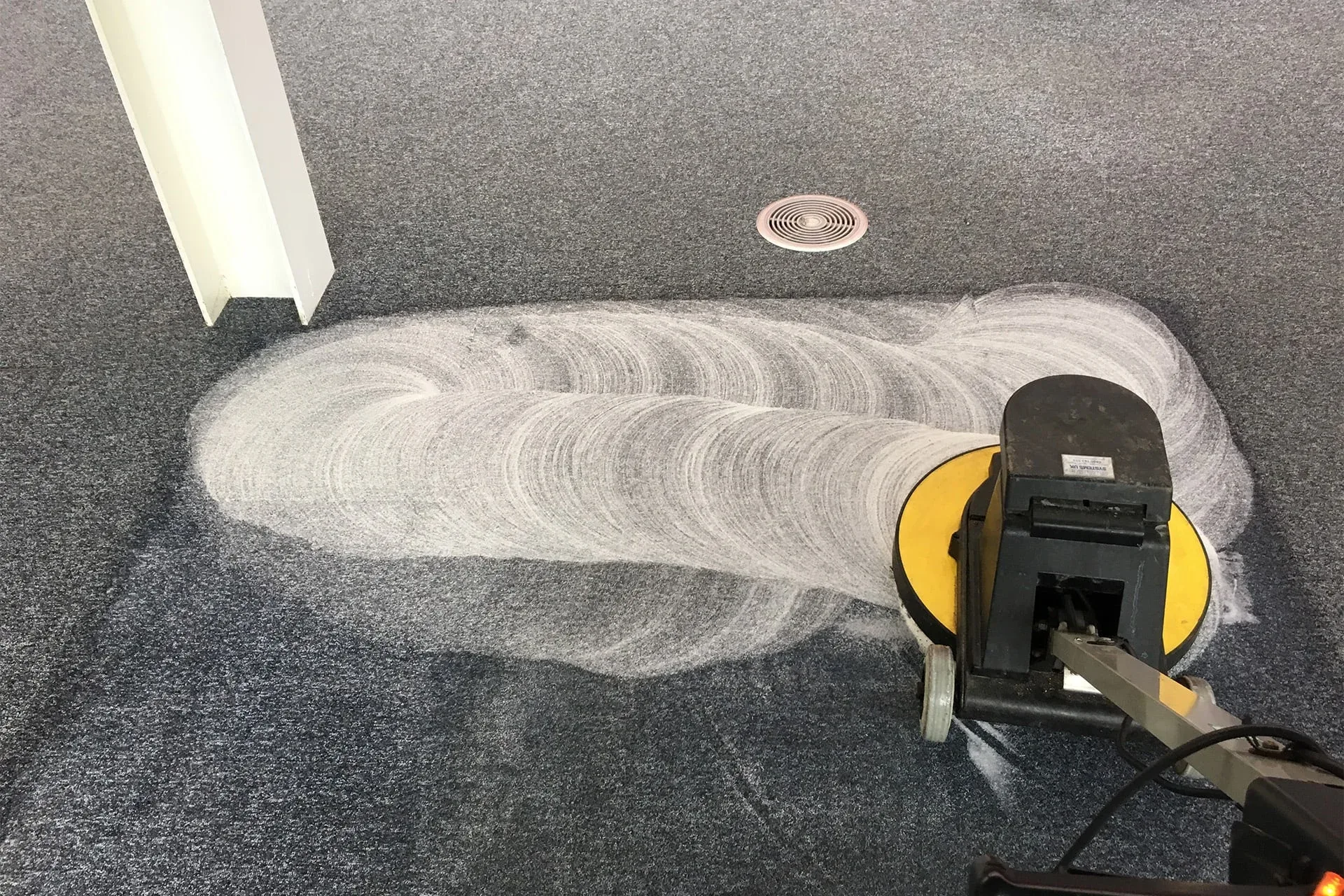
Carpets harbor a microscopic world of bacteria, fungi, allergens, and dust mites. These unseen occupants can impact health. Understanding these hidden threats and factors influencing their growth is crucial for a cleaner home environment.