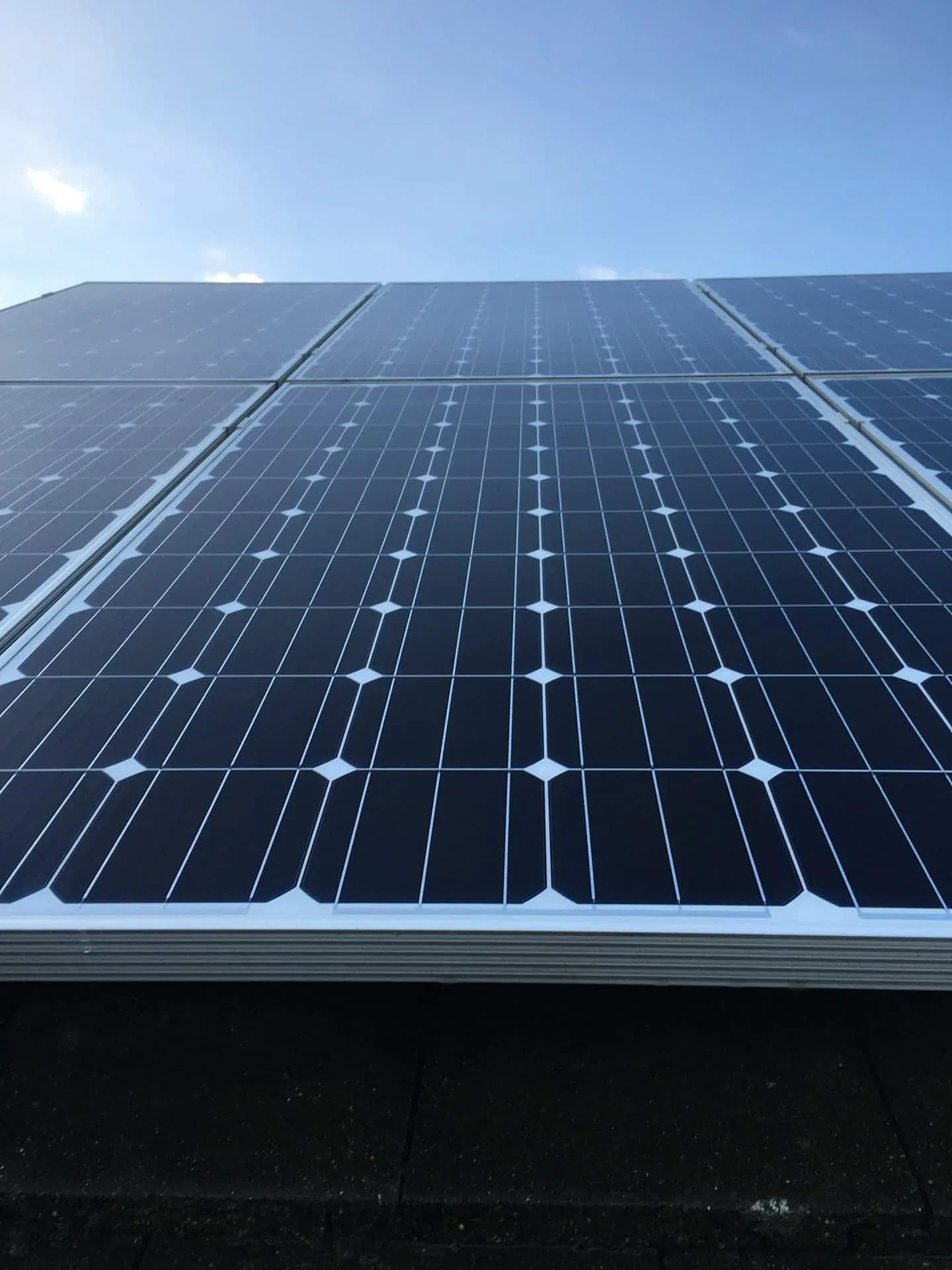
Solar Soiling: The Silent Threat to Panel Efficiency & Energy Output
Soiling, the accumulation of dirt and dust on solar panels, severely reduces efficiency and energy output. This silent environmental threat impacts profitability, requiring mitigation for sustainable solar power investments and optimal performance.

Ready to transform your property?
Get a free, no-obligation quote tailored to your needs.
In the expansive world of renewable energy, solar power stands as a formidable solution for sustainable electricity generation. Solar fields, with their vast arrays of photovoltaic panels, harness the sun's energy to power homes and industries. However, these intricate systems are not immune to environmental challenges. One of the most significant, yet often underestimated, threats to a solar field's efficiency is the accumulation of dirt and dust on panel surfaces, a phenomenon commonly known as soiling. This seemingly minor issue can have profound impacts on energy output, operational costs, and ultimately, the profitability of solar investments.
Understanding Soiling: The Silent Power Thief
Soiling refers to the accumulation of various particles on the surface of solar panels, hindering sunlight from reaching the photovoltaic cells. This buildup can range from fine dust and sand to pollen, bird droppings, and industrial pollutants. The consequence is a reduction in the amount of solar radiation that can be converted into electricity, directly impacting the power output of the entire field.
Mechanisms of Power Loss
The primary way dirt affects solar panels is by creating an opaque layer that blocks incoming sunlight. Even a thin film can significantly reduce light transmission. Beyond simple blockage, soiling can also lead to more insidious problems such as non-uniform shading, which creates different electrical resistance across the panel. This often results in the formation of "hot spots" – localized areas of overheating that can permanently damage individual cells or modules, shortening their lifespan and posing safety risks.
"Ignoring soiling is akin to leaving money on the table. Every percentage point of efficiency loss due to dirt translates directly into lost revenue and diminished returns on a solar field's substantial investment."
— Dr. Anya Sharma, Renewable Energy Consultant
Factors Influencing Soiling Accumulation
The rate and type of soiling are highly dependent on geographical location and environmental conditions. Arid and semi-arid regions, for instance, experience high levels of dust and sand accumulation due to wind erosion. Areas near agricultural fields might contend with pollen and crop residues, while industrial zones face soot and chemical fallout. Additionally, factors like humidity, rainfall patterns, and the presence of wildlife (e.g., birds) all play a critical role in how quickly and severely panels become soiled.
Dust and Sand: Common in desert and dry climates, easily carried by wind.
Pollen: Seasonal issue in agricultural or vegetated areas, forming a sticky layer.
Bird Droppings: Highly opaque and corrosive, creating severe localized shading.
Industrial Emissions: Soot and chemical deposits near factories or urban centers.
Rainfall Patterns: Infrequent rain can exacerbate soiling, as natural cleaning is reduced.
The Tangible Cost: Quantifying Soiling's Impact
The impact of soiling is not just an abstract reduction in efficiency; it translates directly into quantifiable financial losses for solar field operators. Understanding these costs is crucial for justifying investments in cleaning and mitigation strategies.
Statistical Power Degradation
Numerous studies and real-world observations confirm that soiling can cause substantial power degradation. The degree of loss varies greatly but averages between 1% to 6% annually for many sites. In extreme cases, particularly in highly dusty environments without regular cleaning, losses can escalate to 20% or more in just a few weeks. This means a significant portion of the potential energy output is never realized, directly affecting the return on investment.
Soiling Level | Estimated Power Loss (Daily Average) | Typical Environment |
|---|---|---|
Light Soiling | 1% - 3% | Suburban, frequent light rain |
Moderate Soiling | 3% - 8% | Rural, moderate dust, infrequent rain |
Severe Soiling | 8% - 20%+ | Desert, agricultural, industrial, very infrequent rain |
Financial Repercussions
The economic repercussions of soiling extend beyond lost electricity sales. Lower power output means missing revenue targets, potentially failing to meet power purchase agreement obligations, and reducing the overall lifespan efficiency of the asset. Furthermore, the operational costs associated with cleaning panels to mitigate soiling are a significant expenditure. Striking the right balance between cleaning frequency and cost is a complex optimization problem that impacts the bottom line.
Beyond direct revenue loss, there are indirect costs such as increased maintenance due to hot spots and premature module degradation. Consistent monitoring and data analysis become essential tools for assessing when the cost of cleaning outweighs the benefit of increased energy production, or vice versa.
Strategies for Soiling Mitigation: Keeping Panels Pristine
To combat the detrimental effects of dirt, solar field operators employ a range of strategies, from traditional manual cleaning to advanced automated systems and preventative technologies. The chosen method often depends on the scale of the operation, the severity of soiling, and budgetary constraints.
Cleaning Methodologies
Traditional manual cleaning involves personnel using brushes, water, and cleaning solutions, which is labor-intensive and best suited for smaller installations. For large-scale solar fields, automated cleaning robots are becoming increasingly popular. These robots can navigate rows of panels, cleaning them efficiently with minimal water or even waterless brushes. The choice between water-based and waterless cleaning often hinges on water availability and environmental regulations.
Proactive Measures and Smart Solutions
Prevention is often better than cure. Anti-soiling coatings, often hydrophobic or oleophobic, can be applied to panels to reduce the adherence of dirt and allow natural rainfall to more effectively clean surfaces. Additionally, advanced soiling sensors can continuously monitor the performance degradation caused by dirt, providing real-time data to optimize cleaning schedules. This data-driven approach ensures that cleaning efforts are deployed precisely when and where they are most impactful, maximizing cost-efficiency.
Implement Data-Driven Cleaning Schedules: Use soiling sensors and weather forecasts to determine optimal cleaning times, avoiding unnecessary costs.
Invest in Anti-Soiling Coatings: Reduce dirt adhesion and enhance natural cleaning by rain, extending intervals between manual or robotic cleans.
Deploy Robotic Cleaning Systems: Increase cleaning efficiency and frequency, especially in water-scarce regions or large-scale fields.
Regularly Monitor Performance: Track individual panel or string output to identify soiling hot spots and prioritize cleaning efforts effectively.
Consider Panel Tilt Angles: Optimize tilt during installation to encourage natural shedding of dust and water run-off.
The impact of dirt on solar field power output is a critical operational challenge that demands strategic attention. By understanding the mechanisms of soiling, quantifying its economic costs, and implementing effective mitigation strategies, solar plant operators can significantly enhance the performance, longevity, and profitability of their assets. Investing in smart cleaning solutions and preventative measures ensures that solar energy continues to shine brightly as a cornerstone of our renewable future, maximizing its potential for a cleaner, more sustainable world.
Ready to get started?
Contact our team today for a free, no-obligation consultation.