Uncovering Carpet Germs: The Invisible Threat to Your Health
Carpets harbor a microscopic world of bacteria, fungi, allergens, and dust mites. These unseen occupants can impact health. Understanding these hidden threats and factors influencing their growth is crucial for a cleaner home environment.

Ready to transform your property?
Get a free, no-obligation quote tailored to your needs.
Our carpets are often seen as cozy havens, soft underfoot and aesthetically pleasing. However, beneath their plush surface lies a hidden world teeming with microscopic life. From bacteria and fungi to allergens and dust mites, carpets can become reservoirs for various microbes that may impact our health. Understanding what truly lurks within our flooring requires more than just a scientific approach to germ testing. This post will delve into the methods and importance of uncovering the unseen biological activity in your carpets.
The Invisible Threat: Understanding Carpet Germs
Carpets, by their very nature, act as filters, trapping particles that fall from the air or are tracked in on shoes. While this can prevent some contaminants from becoming airborne immediately, it also means these elements accumulate. Over time, this accumulation creates a complex ecosystem beneath our feet, one that can pose significant health challenges if left unaddressed.
What Lurks Beneath? Common Carpet Contaminants
The diversity of microbes found in carpets is quite astonishing, ranging from relatively harmless environmental organisms to potential pathogens. These tiny inhabitants thrive on organic matter, moisture, and warmth. Identifying them is the first step toward effective remediation.
Bacteria: Common types include Staphylococcus, E. coli, and various other bacteria introduced from skin, food, or pets. Some can cause infections or produce unpleasant odors.
Fungi: Mold and mildew spores are frequently found, especially in areas with higher humidity or after spills. These can trigger allergies, asthma, and respiratory issues.
Viruses: While they require a host to replicate, some viruses can survive on carpet fibers for a period, potentially contributing to the spread of illness.
Dust Mites and Allergens: These microscopic arachnids feed on shed human skin cells and are a primary source of indoor allergens, often exacerbating asthma and allergic rhinitis.
Pet Dander: Microscopic flakes of skin from pets, along with their saliva and urine residue, are potent allergens for many individuals and readily embed in carpet fibers.
Factors Influencing Germ Growth in Carpets
Several environmental and usage factors contribute to how quickly and extensively germs multiply within carpet fibers. Recognizing these influences is crucial for preventing excessive microbial buildup. Controlling these elements can significantly mitigate the risk of a germ-ridden carpet.
Moisture: Any form of dampness, from spills to high humidity, creates an ideal breeding ground for mold, mildew, and bacteria.
Food Sources: Pet dander, human skin cells, food crumbs, and tracked-in soil provide ample nutrients for microbial growth.
Temperature: Room temperatures that are comfortable for humans are often also ideal for the proliferation of many common carpet microbes.
Traffic Levels: High-traffic areas introduce more contaminants and also grind them deeper into the carpet pile, making them harder to remove.
The Science Behind Carpet Germ Testing
To move beyond assumptions and truly understand the microbial load in a carpet, scientific testing is indispensable. These methods employ specialized tools and techniques to detect, identify, and quantify the presence of various microorganisms. This provides objective data that informs targeted cleaning strategies.
Methodologies for Microbial Analysis
Various scientific methodologies are employed to test carpets for microbial contamination, each offering different insights into the carpet's biological profile. Selecting the right method depends on what specific information is being sought, whether it's overall cleanliness or the presence of specific pathogens. These techniques provide a comprehensive picture of microbial activity.
ATP Testing (Adenosine Triphosphate): Measures the total organic material present, indicating the presence of living and once-living cells. It's a rapid cleanliness indicator.
Culture Plating: Involves taking samples and growing them on agar plates to identify and quantify specific viable bacteria and fungi. This method provides detailed species identification.
PCR (Polymerase Chain Reaction) Testing: Detects the genetic material (DNA/RNA) of specific microbes, offering highly sensitive identification even if the organisms are not viable.
Direct Microscopy: Involves examining carpet fibers or dust samples under a microscope to visually identify mold spores, dust mites, or other particulate matter.
Tools and Techniques Used in Carpet Testing
The accuracy and effectiveness of carpet germ testing rely heavily on the specialized tools and precise techniques utilized by environmental microbiologists and testing professionals. These instruments are designed to collect samples effectively and analyze them meticulously, ensuring reliable results. Proper sample collection is paramount for valid data.
Sterile Swabs and Templates: Used to collect samples from a defined area of the carpet surface for laboratory analysis.
Luminometers: Devices used for ATP testing, which detect the light produced by a reaction with ATP, providing a quantitative measure of organic residue.
Air Samplers: Sometimes used to assess airborne mold spores or bacteria that may have originated from the carpet.
Microscopes: Essential for direct visual inspection of samples to identify larger microorganisms like dust mites or mold structures.
Laboratory Incubators and Media: For culture plating, providing controlled environments for bacteria and fungi to grow and be identified.
Testing Method | What It Measures | Pros | Cons |
|---|---|---|---|
ATP Testing | Overall microbial load (organic residue) | Fast, real-time results, quantitative, good for verifying cleaning efficacy | Does not identify specific microbial species or viability |
Culture Plating | Viable bacteria and fungi (specific species) | Identifies specific organisms, determines viability, provides actionable data | Slower (takes days), misses non-culturable organisms, susceptible to sample degradation |
PCR Testing | Genetic material of specific microbes | Highly sensitive, identifies specific pathogens, effective for non-viable organisms | Higher cost, does not distinguish between living and dead organisms |
Direct Microscopy | Visual presence of mold spores, dust mites, fibers | Quick visual assessment, identifies larger particulate matter | Less quantitative, limited to visually identifiable organisms |
Interpreting Results and Taking Action
Once scientific tests have been conducted, the data collected provides a clear picture of your carpet's microbial state. Interpreting these results correctly is key to understanding potential health risks and formulating effective remediation plans. This scientific insight empowers homeowners and facility managers to make informed decisions for a healthier indoor environment.
What Do the Numbers Mean? Health Implications
The numerical values obtained from microbial tests are not just abstract figures; they correspond to real-world implications for indoor air quality and occupant health. High counts of specific bacteria or mold spores, for example, can indicate poor hygiene or potential health hazards. Understanding these thresholds helps prioritize cleaning efforts and assess risk.
High ATP Readings: Suggest significant organic contamination, indicating a need for thorough cleaning and sanitation. While not identifying specific germs, it shows a high likelihood of microbial presence.
Elevated Bacterial Counts: Can point to inadequate cleaning, moisture issues, or introduction of pathogens, potentially increasing the risk of infections or odors.
Presence of Mold Spores: Even low levels can be problematic for sensitive individuals, triggering allergies or respiratory symptoms. High counts signify a potential mold growth issue needing immediate attention.
Identification of Specific Pathogens: The presence of known pathogenic bacteria (e.g., certain strains of E. coli or Staphylococcus) indicates a serious health risk requiring specialized disinfection protocols.
Strategies for a Healthier Carpet
Armed with scientific data, you can implement targeted strategies to reduce germ populations and maintain a healthier carpet. It's not just about aesthetics; it's about creating a living space that supports well-being. Regular maintenance combined with periodic deep cleaning is generally the most effective approach.
Vacuum Frequently and Thoroughly: Use a vacuum with a HEPA filter to capture microscopic particles and allergens. Focus on high-traffic areas at least 2-3 times per week.
Address Spills Immediately: Promptly blot spills to prevent moisture from penetrating deep into the carpet fibers, which can foster mold and bacterial growth.
Control Indoor Humidity: Keep indoor humidity levels below 50% using dehumidifiers, especially in humid climates, to deter mold and dust mite proliferation.
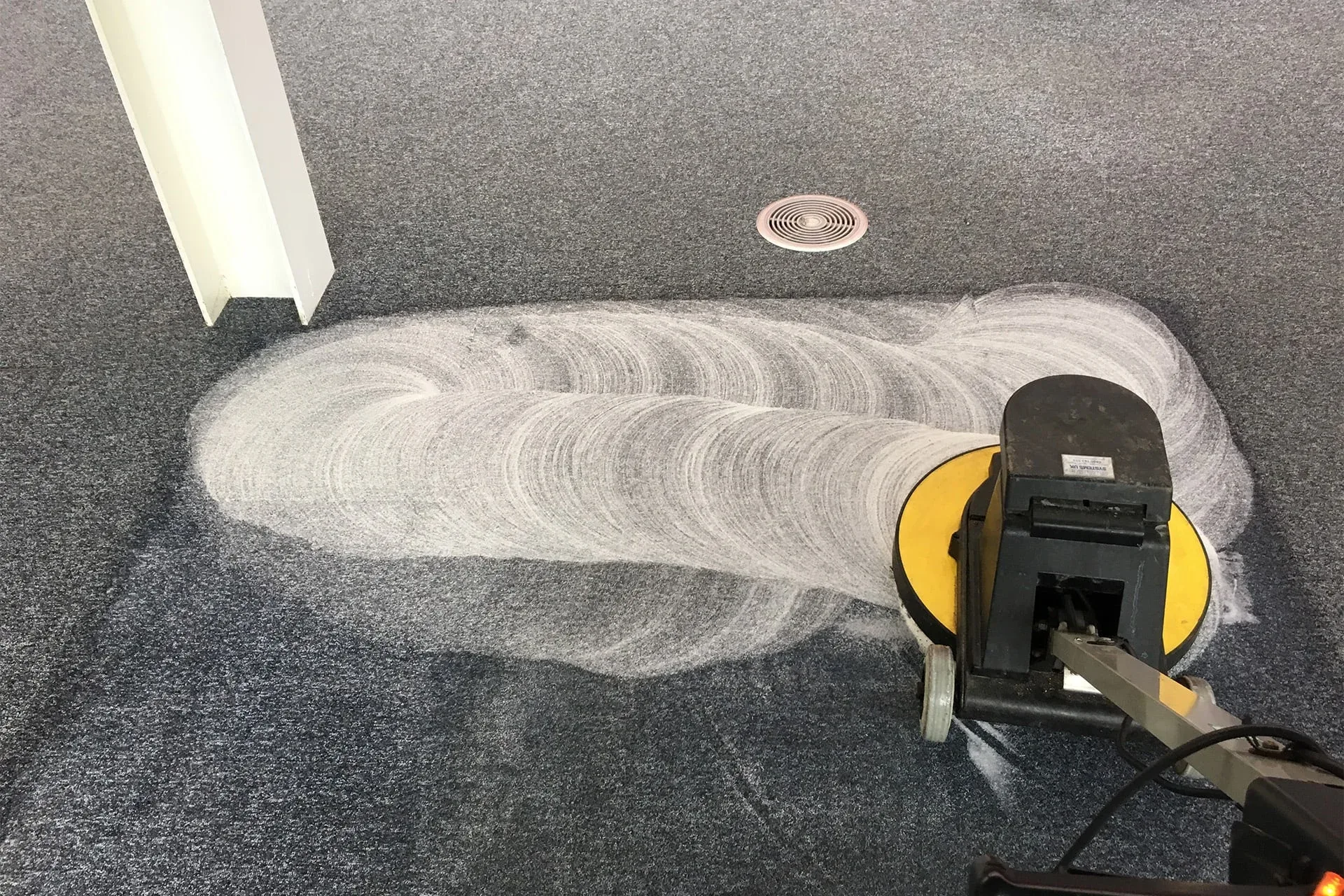
Consider Professional Cleaning: Schedule professional deep cleaning, such as hot water extraction (steam cleaning), annually or bi-annually. This method effectively removes embedded dirt, allergens, and kills many microbes.
Use Entry Mats: Place durable mats at all entrances to trap dirt and contaminants before they are tracked onto carpets.
"Scientific carpet germ testing provides invaluable insights, transforming assumptions into data-driven strategies for a truly clean and healthy indoor environment. It's the difference between guessing and knowing." - Dr. Eleanor Vance, Environmental Microbiologist.
The journey from a seemingly clean carpet to a scientifically verified healthy one begins with understanding the invisible world beneath our feet. By leveraging scientific germ testing, we gain objective data that empowers us to make informed decisions about our cleaning routines and indoor environments. This proactive approach not only enhances the longevity of your carpets but, more importantly, safeguards the health and well-being of everyone who shares your space. Invest in knowing what's truly in your carpet; your health depends on it.
Ready to get started?
Contact our team today for a free, no-obligation consultation.